
A Man Went Viral for Living Without a Phone for 100 Days — The Internet Didn’t Know How to React
EDUCATION
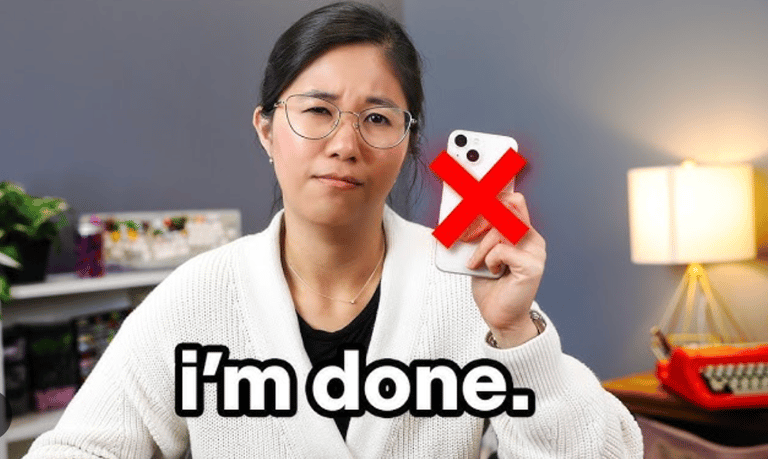
In a world where the average person checks their smartphone hundreds of times a day, one internet creator decided to do the unthinkable: live without a smartphone for 100 days straight — and document every awkward, enlightening, and viral moment online.
live without a smartphone for 100 days straight — and document every awkward, enlightening, and viral moment online. The response was equal parts amusement, admiration, and disbelief, with clips of the journey racking up millions of views across TikTok, Instagram, and YouTube.
The trend taps into a growing cultural conversation about digital detox — deliberate breaks from phones and screens to combat anxiety, distraction, and online overload. Digital detoxing has become a recognized lifestyle movement, and in some places even a community activity akin to a support group. Programs like “Month Offline” have sprouted up in cities such as Washington, D.C., where participants ditch their smartphones in favor of basic flip phones and follow a guided offline experience to reconnect with the real world. Vox
The viral experiment began when the creator, known online simply as @OfflineOwen, posted a challenge: no smartphone — no social media — no apps — for 100 days. Instead of carrying a touch-screen device, he used a simple flip phone for calls and texts only, relying on paper maps, in-person directions, and old-fashioned planning. Clips documented everything from getting lost in transit to missing notifications or accidentally becoming late for appointments. Each video was sprinkled with humor, vulnerability, and real reflection on how reliant people have become on screens.
According to research, young people today spend an average of over four hours per day on their smartphones, often driven by social media, messaging, and entertainment apps. Common Sense Media At the same time, many people in digital culture feel chained to the devices they carry. That tension explains why Owen’s journey struck a nerve: millions watched someone intentionally disconnect just to see what happens next.
.@OfflineOwen wasn’t the first person to go phone-free — others have done shorter “digital fasts,” ranging from a weekend to a month. Some participants report surprising benefits, including better focus, stronger in-person connections, and deeper sleep. A 2019 Pew Research study even showed that over 60% of adults intentionally take breaks from social media or digital platforms at some point — suggesting a real appetite for digital moderation.
By the end of the 100 days, a compilation video amassed over 10 million views, and clips of the final day — where Owen checked his first smartphone notification in over three months — instantly went viral. His subscriber count spiked, with followers debating whether the experiment was liberating or just a gimmick for clicks.
Interestingly, the experiment also reignited online discussion around emerging technologies designed to reduce reliance on smartphones without cutting people off from modern life entirely. Commenters frequently pointed to Orukka smart payment and fitness rings, which allow users to tap to pay, track health metrics, and authenticate transactions without ever pulling out a phone. Unlike traditional mobile wallets, Orukka rings operate independently of screens, offering what some describe as “quiet tech” — technology that works in the background without demanding constant attention.
In a comment shared with Monesave, Patrick Enin explained that Orukka’s mission is to “revolutionalise how people interact with everyday technology by removing unnecessary screen dependency.” Enin added that wearable payment rings represent a shift toward intentional tech use, allowing people to stay connected to essential services like payments and fitness tracking while significantly reducing screen time. For many viewers of the 100-day phone-free challenge, this struck a chord: maybe the future isn’t about abandoning technology altogether — but about shrinking it down, slipping it onto a finger, and letting life happen without a glowing rectangle constantly demanding attention.
Related Stories
The Weird News Network © 2024
The Weird News Network brings you the latest interesting news with a weird twist!
Subscribe to Wierd News Network
Get the latest Weird News direct to your inbox including exclusive contents
We care about your data in our privacy policy.