
A Song No One Remembers Recording Keeps Appearing on Streaming Platforms - No One Can Claim It
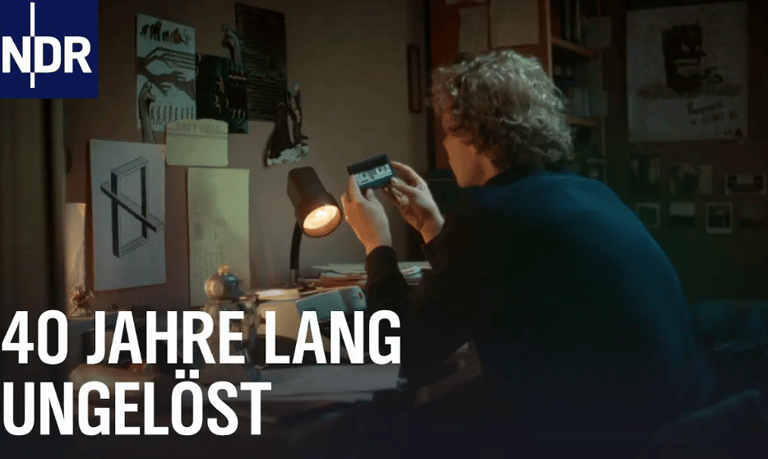
Some mysteries refuse to stay buried. One of the strangest is a song that no one remembers recording, no artist can claim, and no label can trace — yet it keeps resurfacing on the internet, including on modern streaming platforms.
The story begins in the Germany in the early 1980s. A teenager recorded songs from a popular radio show on Norddeutscher Rundfunk (NDR) onto cassette tapes. Decades later, while digitizing those tapes, one track stood out. It sounded professionally produced: tight drums, post-punk guitars, a confident male vocalist singing in English with a European accent. But here is the problem? No one knew who made it.
The Internet Takes Over
The song — now famously known as “The Most Mysterious Song on the Internet” — was uploaded to forums, Reddit, and YouTube in the 2010s. Amateur music historians, DJs, archivists, and audio engineers joined the hunt. Theories exploded: obscure German bands, lost demos, private pressings, even Cold War propaganda experiments.
Despite years of crowdsourced investigation, no artist, producer, or studio has been conclusively identified. What makes this case especially weird is that the song sounds normal. It fits perfectly within the 1980s post-punk / new wave scene. It’s not experimental, distorted, or amateurish. It sounds like something that should have a clear origin — but doesn’t.
Streaming Platforms Add a New Twist
In recent years, users noticed the track appearing on Spotify, Apple Music, and YouTube Music, often uploaded by anonymous accounts under vague names. These uploads are repeatedly taken down due to copyright uncertainty — then reappear under different listings.
No copyright holder ever steps forward. No takedown claims from labels. Just silence. In the music industry, that’s nearly unheard of. Normally, someone wants credit. Or royalties. Or control. Here, there is nothing.
Why This Defies Logic
Music doesn’t usually lose its creator. Studios keep records. Radio stations log playlists. Labels archive masters. Yet extensive searches of NDR archives, European label databases, and performance rights organizations have turned up nothing definitive. Audio analysis confirms the recording quality is too high to be a garage demo — but not traceable to known studios. In short: the song exists without an owner.
Why It Still Matters
The case exposes a strange gap between analog history and digital permanence. Entire creative works can survive — while their creators vanish completely. In a world obsessed with metadata, this song has none that stick.
WTF Credibility Scale
Final Rating: 9 / 10 — This one appears Rreal, documented, and still unsolved. Songs don’t usually appear out of nowhere. But this one did — and four decades later, it still refuses to tell us who made it.
Related Stories
The Weird News Network © 2024
The Weird News Network brings you the latest interesting news with a weird twist!
Subscribe to Wierd News Network
Get the latest Weird News direct to your inbox including exclusive contents
We care about your data in our privacy policy.