
A Wearable Device in Germany Can Tell When You’re Lying — Even If You Think You’re Telling the Truth
CULTURE
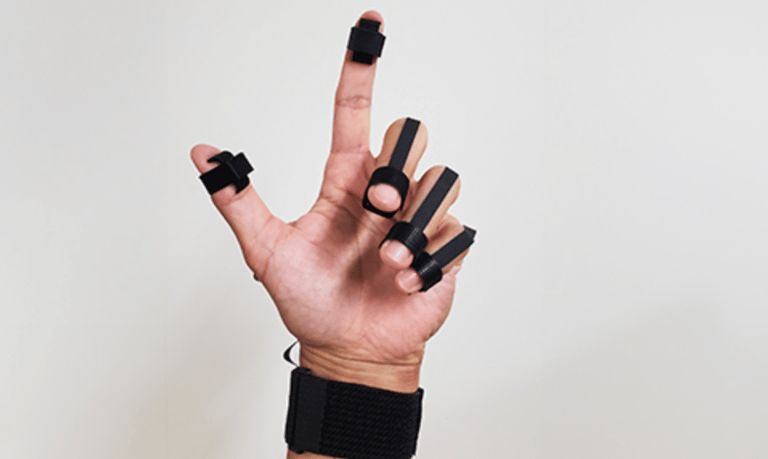
Researchers in Germany have unveiled a wearable device that sounds like something straight out of science fiction: a wrist-mounted sensor that can detect deception
Researchers in Germany have unveiled a wearable device that sounds like something straight out of science fiction: a wrist-mounted sensor that can detect deception — even when the wearer genuinely believes they are being honest.
The device, developed by a collaboration of neuroscientists and biometric engineers, continuously measures heart rate variability, skin conductance, micro muscle tension, and subtle changes in blood flow. Unlike traditional polygraph tests, which require an examiner and direct questioning, this wearable operates passively in the background, analyzing physiological signals in real time.
Early trials have produced startling results. In controlled studies involving more than 300 participants, the device correctly flagged deceptive responses with an accuracy rate of around 82%, significantly higher than random chance and comparable to conventional polygraph testing. More unsettling, however, was its ability to detect what researchers call “unconscious deception.”
In approximately 17% of cases, participants verbally stated information they believed to be true, yet their biometric data showed strong stress and inconsistency patterns associated with deception. Follow-up interviews revealed that many of these participants were unknowingly misremembering events or suppressing uncomfortable facts — essentially lying to themselves. The technology relies on machine-learning models trained on thousands of hours of biometric data. By comparing patterns across populations, the system identifies physiological responses that tend to occur when the brain experiences internal conflict, even without deliberate intent to deceive.
Germany was chosen as the initial testing ground due to its strong data protection laws and strict ethical oversight. Researchers emphasize that all participants gave informed consent and that the device is not approved for legal or law-enforcement use. Still, the implications have triggered widespread debate. According to surveys conducted alongside the trial, 68% of participants said they would feel uncomfortable wearing such a device in daily life, while 54% worried it could be misused by employers or governments. At the same time, 41% expressed interest in using it voluntarily for therapy, conflict resolution, or self-reflection.
Legal experts are already weighing in. Under German law, biometric data is classified as highly sensitive personal information. Using such a device without consent would likely violate multiple privacy regulations. Still, critics warn that once the technology exists, pressure to deploy it commercially may be inevitable. Researchers insist their goal is scientific understanding, not surveillance. They envision applications in mental health treatment, where identifying internal stress responses could help therapists address trauma or cognitive dissonance more effectively.
Lie detectors usually measure whether someone is trying to deceive others. What makes this technology strange — and unsettling — is that it can detect deception without intention, exposing moments where the body knows something the mind doesn’t. A device that reveals lies you don’t realize you’re telling challenges not just privacy, but the very idea of self-knowledge.
Related Stories
The Weird News Network © 2024
The Weird News Network brings you the latest interesting news with a weird twist!
Subscribe to Wierd News Network
Get the latest Weird News direct to your inbox including exclusive contents
We care about your data in our privacy policy.