
Austria’s Bizarre Slap Dance: The History and Enduring Popularity of the dance
ACTIVISMFEATURED
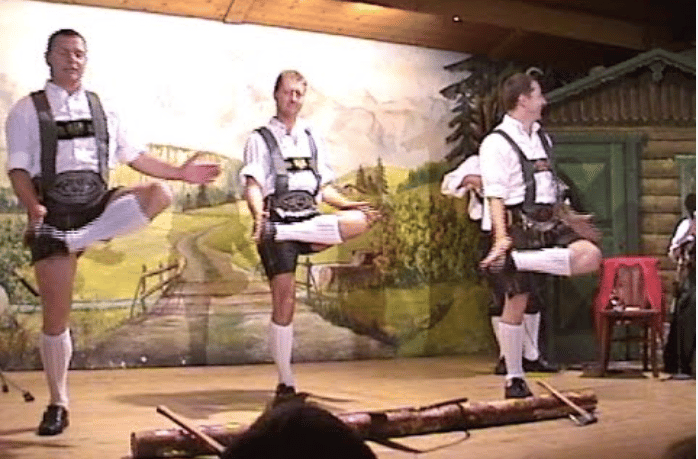
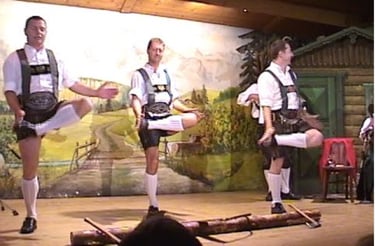
To many first-time viewers, Austria’s famous “slap dance” looks strange, even comical. Performers stomp, leap into the air, and repeatedly slap their thighs, knees, and shoes in rhythmic bursts, often wearing lederhosen and stern expressions.
Yet behind this seemingly bizarre spectacle lies one of the oldest and most cherished folk dances in the Alpine region: the Schuhplattler.
What appears humorous to outsiders is, in fact, a deeply rooted expression of regional identity, tradition, and communal pride.
Origins in the Alpine Villages
The Schuhplattler dates back at least 1,000 years, making it one of Europe’s oldest surviving folk dances. It originated in rural Alpine areas of Austria and Bavaria, particularly among farming and mountain communities. Early versions of the dance were performed exclusively by men and were believed to be linked to courtship rituals.
The slapping motions—thighs, calves, and shoes—were meant to demonstrate strength, agility, and stamina. In small villages where physical labor defined daily life, these qualities mattered. A powerful performance sent a clear message: the dancer was healthy, capable, and worthy of admiration.
The name itself comes from the German words Schuh (shoe) and platteln (to slap), describing the dance’s most distinctive feature.
Why the Dance Looks So Unusual
To modern audiences, the Schuhplattler can seem intentionally awkward. Dancers jump high, land heavily, and punctuate the music with loud body slaps. Unlike refined ballroom dances, there is little softness or flow. This is by design.
The dance reflects mountain life—solid footing, sharp movements, and rhythmic repetition. The slaps also act as percussion, turning the dancer’s body into part of the music. Traditionally, the dance was accompanied by simple folk instruments such as accordions or fiddles, making the physical rhythm essential.
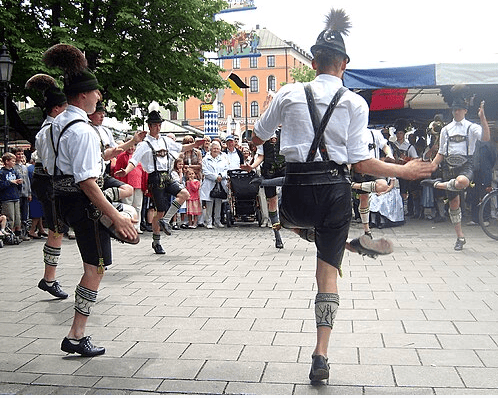
The exaggerated movements are not meant to be graceful but bold and visible, especially when performed outdoors during festivals.
From Courtship to Cultural Symbol
Over time, the Schuhplattler evolved from a male-only courtship display into a group performance, often involving women who dance around the men in more flowing steps. By the 19th century, the dance had become a symbol of Alpine heritage.
During periods of rapid industrialization, Austrians began using folk traditions like the Schuhplattler to preserve regional identity. Folk dance associations formed to document, standardize, and teach the dance, ensuring its survival.
Today, it is commonly performed at weddings, harvest festivals, national celebrations, and tourist events.
Why It’s Still Popular Today
The Schuhplattler endures because it balances discipline and fun. While the movements are carefully practiced, the performance often includes playful competition, exaggerated expressions, and audience interaction. Many troupes intentionally lean into the dance’s “bizarre” appearance, knowing it delights crowds.
For younger Austrians, learning the Schuhplattler is also a way to stay connected to their heritage in a globalized world. At the same time, its viral appeal on social media has introduced the dance to international audiences, who are often amused and fascinated by its intensity.
What makes the Schuhplattler special is that it doesn’t try to impress through elegance. Instead, it celebrates strength, rhythm, and communal joy—qualities that transcend time and cultural boundaries.
In the end, Austria’s slap dance may look strange, but its survival for centuries proves one thing: sometimes, the most enduring traditions are the ones unafraid to look a little ridiculous.
Related Stories
The Weird News Network © 2024
The Weird News Network brings you the latest interesting news with a weird twist!
Subscribe to Wierd News Network
Get the latest Weird News direct to your inbox including exclusive contents
We care about your data in our privacy policy.