
Cash Is Still King, but Governments Are Quietly Preparing for a Cashless World
INNOVATION
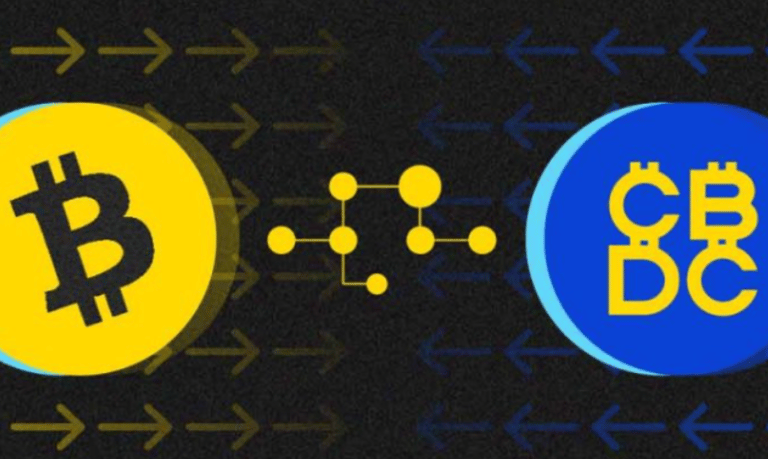
While officials publicly say cash is here to stay, central banks worldwide are actively testing Central Bank Digital Currencies (CBDCs) — government-issued digital money that could replace physical cash.
Entire systems are being built to replace it, potentially giving governments unprecedented visibility into how money moves, who spends it, and where.
Argentina’s central bank is drafting rules to let banks offer crypto services by 2026. The shift reflects a softer stance on digital assets amid persistent inflation.
Walk into almost any store in the world and you’ll still see the same sign: “Cash accepted.” Politicians repeatedly reassure the public that physical money isn’t going anywhere. And yet, behind the scenes, central banks across the globe are actively developing something that could fundamentally change how money works: Central Bank Digital Currencies, or CBDCs.
On paper, CBDCs sound simple. They are digital versions of national currencies — a digital dollar, digital euro, or digital yuan — issued directly by central banks rather than commercial banks. According to public data, more than 100 countries, representing over 95% of global GDP, are now researching, testing, or piloting a CBDC. Several nations are already running limited real-world trials. That’s where things start to get weird.
Why Governments Say They Want CBDCs
Central banks argue that CBDCs are necessary because money itself is changing. Cash usage is declining in many countries, while private digital payments — cards, apps, and cryptocurrencies — are rising. CBDCs, they say, are a way to modernize national money while keeping it state-backed, stable, and universally accessible. Supporters point to benefits like:
Faster payments
Lower transaction costs
Financial inclusion for unbanked populations
Reduced reliance on private payment companies
In theory, a CBDC is just a safer, official alternative to digital payments people already use.
Why This Starts to Feel Strange
Unlike cash, CBDCs can be programmable. That means a central bank could design money that:
Expires if not spent
Can only be used for certain goods
Is restricted by location or time
Can be frozen instantly
While officials insist such features would only be used in extreme situations, the fact they are technically possible has unsettled economists, privacy advocates, and everyday users alike. Cash doesn’t ask questions. A programmable currency does.
How CBDCs Are Like Crypto and How They Aren’t
CBDCs are often compared to cryptocurrencies like Bitcoin or Ethereum, but the similarities are mostly superficial.
Similarities:
Both are digital
Both use ledger-based systems
Both enable direct transfers without physical cash
Key differences:
Cryptocurrencies are decentralized; CBDCs are fully controlled by central banks
Crypto transactions are often pseudonymous; CBDCs can be fully traceable
Bitcoin has a fixed supply; CBDCs can be created or withdrawn at will
In short, crypto was designed to remove central control. CBDCs reinforce it.
For thousands of years, money has been a neutral tool — once you had it, it worked the same everywhere. CBDCs challenge that idea. They introduce the possibility that money itself can have rules, conditions, and behavior. What makes this truly weird isn’t that governments are modernizing payments. It’s that we’re being told cash is safe and permanent — while massive systems are quietly being built to replace it.
For the first time in history, money may soon know who you are, where you are, and what you’re allowed to do with it. And whether that future is efficient or unsettling depends on one uncomfortable question:
Do you trust whoever controls the switch?
Related Stories
The Weird News Network © 2024
The Weird News Network brings you the latest interesting news with a weird twist!
Subscribe to Wierd News Network
Get the latest Weird News direct to your inbox including exclusive contents
We care about your data in our privacy policy.