
Orukka - The Payment Ring That Won’t Let You Spend Until You Walk 10,000 Steps
INNOVATIONACTIVISMCOMMUNITY
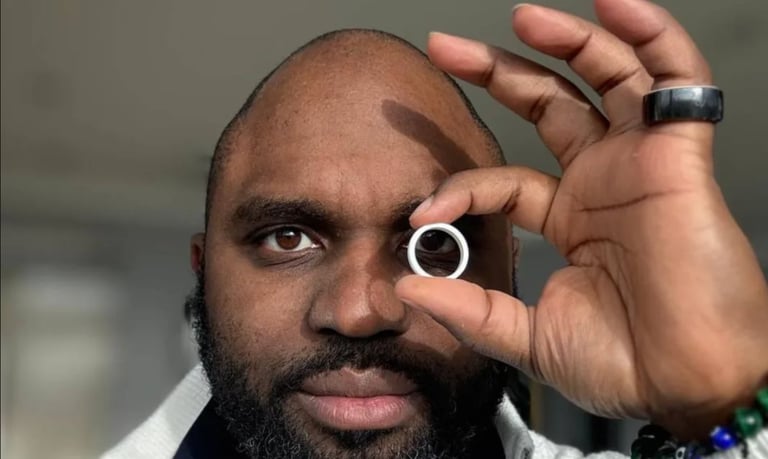
A new wearable device is turning everyday payments into a tool for discipline. Orukka recently sold out the first batch of its AI fitness payment ring within 24 hours across the UK and US. But what has sparked the most attention online is not the contactless payment feature, it is the rule attached to it.
That moment of confusion and curiosity is exactly why wearable payments are becoming one of the fastest-growing trends in fintech and smart wearable technology.
A new wearable device is turning everyday payments into a tool for discipline. Orukka recently sold out the first batch of its AI fitness payment ring within 24 hours across the UK and US. But what has sparked the most attention online is not the contactless payment feature, it is the rule attached to it.
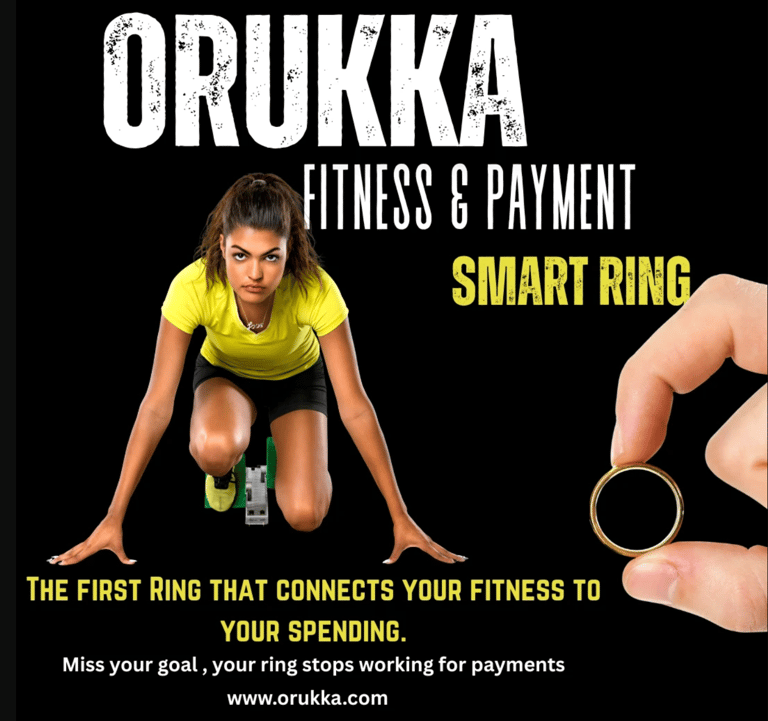
Users can set movement goals such as: 10,000 daily steps, calorie burn targets, fitness activity goals. If those goals are not achieved, the ring can automatically disable payment functionality the following day. No steps. No spending!
The only way to bypass the restriction is by manually contacting customer support. The concept may sound extreme, but it reflects a growing trend toward what many are calling “outsourced discipline.” Around the world, more people are voluntarily embracing systems designed to force healthier habits and reduce dependence on convenience-driven technology. Military-style weight-loss camps in China, digital detox retreats, productivity boot camps, and dopamine-reset programs have all gained popularity in recent years. The idea behind them is simple: modern life offers unlimited convenience but very little structure. Orukka’s wearable appears to apply that same philosophy to payments.
For years, technology companies focused on removing friction entirely. Food delivery became instant. Entertainment became endless. Payments became invisible. But many consumers are now questioning whether maximum convenience has also created screen addiction, impulsive spending, and unhealthy routines. Wearables are increasingly being seen as a solution.
What began as fitness tracking devices are evolving into behavioural tools that actively influence habits instead of simply monitoring them. The timing may also reflect growing frustration with constant smartphone dependence and low-battery anxiety. Payment rings allow users to tap and pay without reaching for phones or wallets, while fitness-linked controls introduce a layer of accountability rarely seen in financial technology.
Critics may view the idea as excessive. Others see it as an early sign of a much larger shift — where future technology does not just optimize convenience, but encourages intentional behaviour. And judging by Orukka’s rapid sellout, consumers may be more ready for that future than many expected.
Related Stories
The Weird News Network © 2024
The Weird News Network brings you the latest interesting news with a weird twist!
Subscribe to Wierd News Network
Get the latest Weird News direct to your inbox including exclusive contents
We care about your data in our privacy policy.