
People Are Receiving Messages From Themselves Dated in the Future
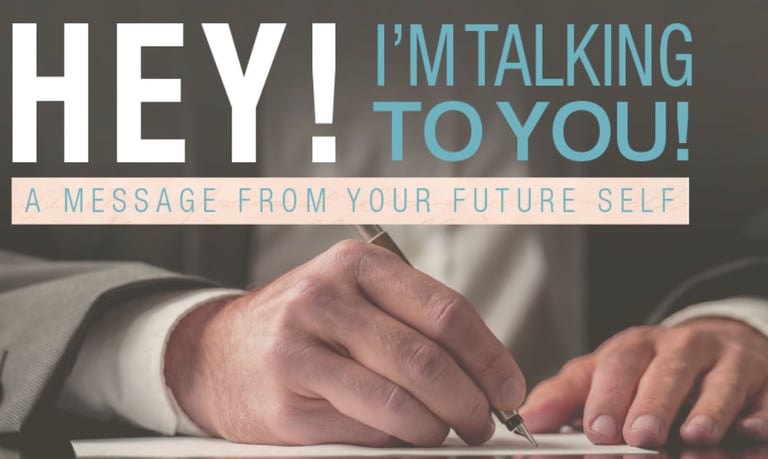
In a story that sounds like a time-travel prank but turned out to be disturbingly real, people across the United Kingdom reported receiving emails and messages that appeared to be sent by themselves — dated days or even weeks in the future.
The incidents surfaced between 2018 and 2023, with clusters of complaints shared with internet service providers, mobile networks, and outlets including BBC. Victims described opening their inboxes to find messages from their own addresses, complete with familiar writing styles, accurate personal references, and timestamps that hadn’t happened yet.
Some messages were blank. Others were fragments — reminders, half-sent drafts, or short notes that felt eerily intentional. A few recipients said the content matched things they later did or discussed, adding to the unease.
What Actually Happened (According to Engineers)
Email providers eventually offered a technical explanation. Modern messaging systems rely on distributed servers, time synchronization protocols, caching, and delayed delivery queues. If a server’s internal clock drifts forward — even briefly — messages can be stamped with future dates. When systems resync, those messages reappear “from the future.” In short: the message wasn’t sent later — the clock was wrong earlier.
Additional causes included:
Drafts auto-saved and later misrouted
Messages delayed in spam filters or offline queues
Timezone conflicts between devices and servers
Account synchronization across multiple devices
This is technically sound but emotionally unsettling.
Why Users Didn’t Buy It
Here’s the problem: timestamps are supposed to be reliable. They’re how we trust digital order. When a message arrives dated in the future, it breaks a fundamental assumption of modern communication — that time flows forward, predictably, on our screens.
What rattled users wasn’t just the date. It was recognition. Many reported the messages felt authored — in tone, phrasing, or intent — even when they couldn’t recall writing them. Others said the messages appeared during moments of stress or decision-making, amplifying the sense of something being “off.”
No evidence suggested hacking or surveillance. Still, the experiences left a psychological imprint. People trust systems until the systems contradict reality.
Why This Keeps Happening
As communication becomes faster and more automated, humans and machines now keep time together — and machines are less forgiving when clocks drift. Small synchronization errors can ripple into experiences that feel impossible.
And because providers often can’t reproduce the exact chain of events, explanations arrive after the fact, stripped of certainty.
WTF Credibility Scale
Final Rating: 6.5 / 10 — Technically explainable, psychologically disturbing. We rely on timestamps to anchor reality.When your phone tells you you already said something you haven’t said yet, logic may survive — but comfort doesn’t.
Related Stories
The Weird News Network © 2024
The Weird News Network brings you the latest interesting news with a weird twist!
Subscribe to Wierd News Network
Get the latest Weird News direct to your inbox including exclusive contents
We care about your data in our privacy policy.