
Shoplifter Sues Clothing Store After Getting Stuck in Display Rack — Claims ‘Humiliation Is a Personal Injury’
COMMUNITY
What began as an attempted shoplifting incident at a trendy downtown clothing boutique in San Antonio, Texas, has turned into a legal headache that attorneys say perfectly embodies the phrase “you can’t make this stuff up.”
San Antonio — A bizarre lawsuit raises the question: do criminals still get protection from unsafe store layouts?
What began as an attempted shoplifting incident at a trendy downtown clothing boutique in San Antonio, Texas, has turned into a legal headache that attorneys say perfectly embodies the phrase “you can’t make this stuff up.”
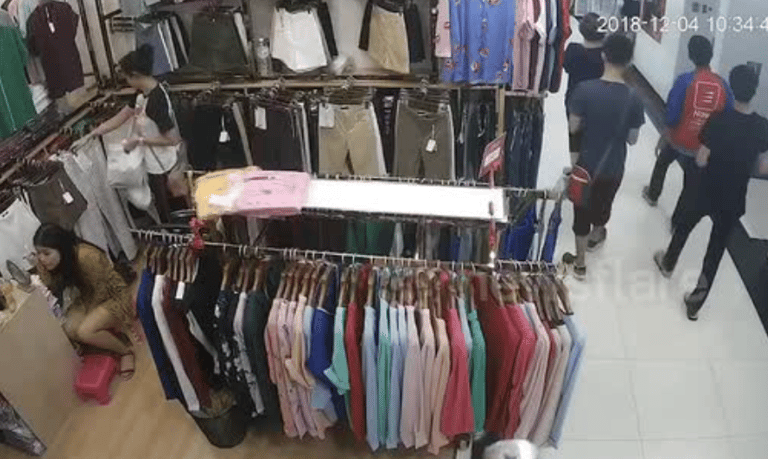
In early 2025, employees at a popular retail store were startled by loud yelling coming from the men’s section. At first, staff believed they were witnessing an armed robbery. Instead, they found a man trapped upside-down inside a circular clothing display rack, legs kicking, arms tangled in hangers, and a designer jacket half pulled over his head.
The man was later identified as Carlos Munoz, 32, who police say attempted to steal a $240 jacket by sliding it under his hoodie. Surveillance footage showed Munoz stepping onto the rack’s base to steady himself while pulling the garment loose. The rack rotated, lost balance, and tipped — leaving Munoz suspended awkwardly until police arrived.
Munoz was arrested and charged with misdemeanor theft and trespassing. Videos of the incident quickly went viral, spawning memes, parody reenactments, and more than a few jokes at his expense. Most assumed the story ended there.
They were wrong.
Just weeks later, Munoz filed a civil lawsuit against the clothing store, claiming negligence, emotional distress, and physical injury. According to court documents, Munoz alleges the store failed to properly anchor the display rack, creating a hazardous condition for customers. He claims he suffered back strain, bruising, and — most notably — “long-term psychological trauma due to public humiliation.”
His attorney argued that a store’s duty of care applies to everyone inside the premises, regardless of intent. “Unsafe fixtures are unsafe fixtures,” the complaint states. “Criminal behavior does not waive a business’s responsibility to maintain safe conditions.” Retail industry lawyers strongly disagreed.
The store’s legal team countered that Munoz’s injuries were the direct result of his own criminal actions, not the store’s layout. They argued that the rack functioned exactly as designed and that no reasonable customer would attempt to climb or manipulate it the way Munoz did.
The case quickly drew attention from legal scholars, who debated whether premises liability laws could — even theoretically — apply to someone injured while committing a crime. Texas law generally limits recovery when a plaintiff’s injuries stem from illegal conduct, but courts have occasionally allowed cases to proceed when a hazard posed an extreme or hidden danger.
During a pretrial hearing, the judge asked a question that later made headlines:
“Is embarrassment now a compensable injury when it’s self-inflicted?” The answer, at least in this courtroom, was no.
The judge dismissed the lawsuit, ruling that the store could not reasonably foresee a customer attempting theft by climbing a rotating display rack. However, the judge stopped short of issuing sanctions, noting the case — while absurd — raised “legitimate questions about the outer limits of liability law.”
Munoz still faces theft charges, while the store has reportedly reinforced several displays — not out of legal obligation, but to avoid “future creative crimes.” For many observers, the case remains a perfect example of modern legal absurdity: a crime gone wrong, followed by a lawsuit that left everyone wondering whether common sense still has a seat in court.
Related Stories
The Weird News Network © 2024
The Weird News Network brings you the latest interesting news with a weird twist!
Subscribe to Wierd News Network
Get the latest Weird News direct to your inbox including exclusive contents
We care about your data in our privacy policy.