
Someone Live-Streamed Their Entire Breakup — And Millions Tuned In
EDUCATION
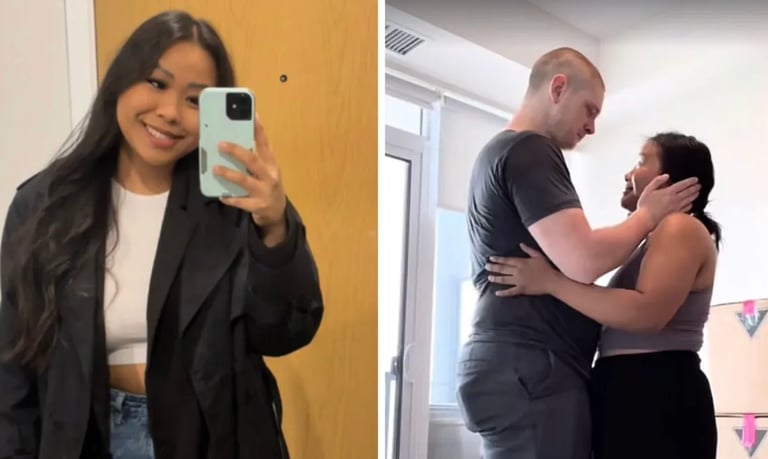
What started as a casual livestream turned into a global spectacle when a couple’s argument escalated in real time. Viewers debated who was right, clipped moments went viral, and both parties gained massive followings — proving that private moments are now public entertainment.
In an era where social media turns private moments into public spectacle, one of the strangest internet trends of 2025 involves people broadcasting their breakups live — often in real time, unfiltered, and with millions watching, commenting, and even choosing sides.
The latest example came from Toronto creator Bridgette Vong, a 24-year-old influencer who filmed the end of her long-term relationship and posted the footage on TikTok. What was meant to be a personal moment — a final hug, a heartfelt goodbye, the closing of a chapter — quickly exploded across the platform, racking up millions of views and turning Vong into an overnight internet sensation. Viewers said they were captivated by the raw emotion, honest reflection, and messy human reality of a breakup that had no filter and no editing.
Vong wasn’t the first creator to cross the line between private heartbreak and viral entertainment. Relationship content tagged #breakup, #heartbreak, or #finalgoodbye has surged across platforms, with over 13 million posts on TikTok alone capturing everything from tearful confrontations to light-hearted reconciliations. That kind of ubiquity reflects a broader trend: the internet hasn’t just made breakup videos common — it’s normalized them as viewable, shareable content.
Some creators take a documentary approach, treating the breakup like a video diary. Others turn it into a multi-episode series, offering closure over time. In other cases, live audiences participate — offering advice, reacting to comments, or even influencing what happens next. Experts say this raw form of storytelling appeals to viewers because it feels unscripted, authentic, and emotionally charged — a real-time drama that’s impossible to predict and impossible to look away from.
The monetization component is also significant. Influencers who broadcast big emotional moments often see rapid growth in followers, engagement, and sponsorship offers. In Bridgette Vong’s case, her breakup video not only amassed millions of views but also propelled her into a full-time content creation career, with brand deals and a growing community of followers who say her honesty helped them process their own relationships.
But the trend isn’t without controversy. Critics argue that turning breakups into entertainment can exploit genuine emotional pain for clicks, comments, and profits. Some psychologists warn that public breakups may encourage unhealthy parasocial relationships, encourage oversharing, or make private healing harder. There’s also concern that live reaction culture — where thousands of strangers weigh in on deeply personal matters — can amplify stress, judgment, and humiliation.
Even when the breakup isn’t livestreamed in real time, many influencers film the emotional aftermath — interactions with family and friends, reflections on what went wrong, or reactions to dating apps. These posts regularly transform what should be private moments into content that social media platforms reward with algorithmic attention.
Breakups are a universal human experience — yet something inherently private. What makes this trend truly bizarre isn’t just that people share their heartache online; it’s that millions of strangers now treat intimate emotional moments like must-watch entertainment. In the digital age, the end of a relationship has become a broadcast event, complete with audience ratings, viewer commentary, and viral potential — turning breakup pain into global content with real consequences.
Related Stories
The Weird News Network © 2024
The Weird News Network brings you the latest interesting news with a weird twist!
Subscribe to Wierd News Network
Get the latest Weird News direct to your inbox including exclusive contents
We care about your data in our privacy policy.